
Best pet for lifestyle decisions come from observing your daily habits before visiting shelters or breeders. The most compatible animal is rarely chosen by looks alone. It fits your mornings, evenings, home noise level, and patience. Busy professionals often need different companions than remote workers. Families with toddlers need different safeguards than empty nesters. People who travel frequently need reliable care plans. A pet selection framework makes those details easier to compare. Good matches feel practical and affectionate at once. That balance matters long after the novelty fades.
Most pet searches begin with attraction. Someone sees soft fur, bright eyes, or a funny habit. That spark matters, but it should not lead alone. Best pet for lifestyle thinking adds structure to emotion. It asks how the animal will live with you. It considers care time, exercise, mess, noise, and social needs. This approach prevents avoidable frustration. It also honors the pet’s well-being. Animals should not have to shrink themselves into unsuitable homes. Compatibility gives affection a stronger foundation.
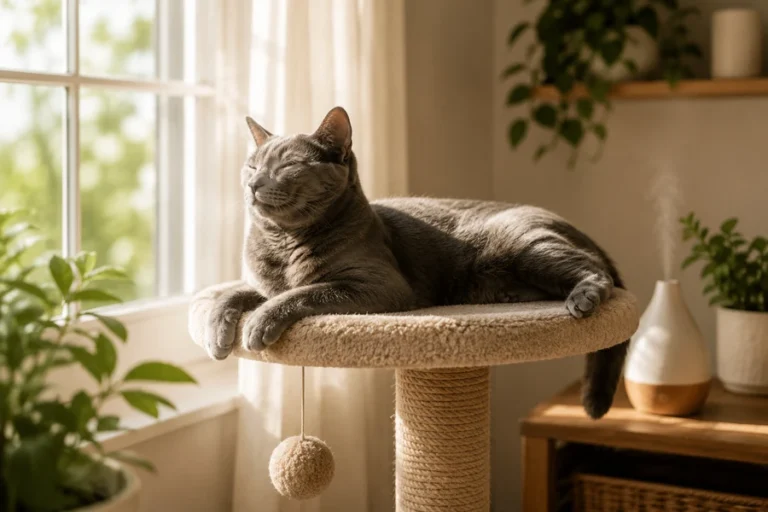
Space matters, but behavior matters more. Some large dogs stay relaxed indoors with proper exercise. Some small dogs bark enough to strain neighbor relations. Cats often adapt well to apartments when vertical space exists. Rabbits need safe movement and careful handling. Birds may be too vocal for thin walls. A home-friendly pet choice depends on real living conditions. Best pet for lifestyle planning should include lease rules. It should also include your tolerance for sound. Comfort improves when the environment supports natural behavior.
Busy households need routines that survive imperfect weeks. Dogs may struggle when everyone leaves for long stretches. Cats often handle independence better, but they still need attention. Small mammals need cleaning, feeding, and gentle interaction. Reptiles need correct temperature and habitat maintenance. Best pet for lifestyle planning should include backup caregivers. It should also include school schedules, work demands, and travel seasons. A responsible pet planning tool helps families compare obligations. Shared responsibility should be specific. Vague promises often create tension later.
Popular pets are not automatically suitable pets. Trends can make certain breeds or species seem easier than they are. Social media rarely shows cleanup, training, vet bills, or boredom behaviors. Your temperament should influence the decision. Patient owners may enjoy training challenges. Quiet owners may prefer calmer companions. Active owners might welcome outdoor routines. Sensitive owners may want predictable animals. Best pet for lifestyle choices improve when personality guides the search. The animal should complement your natural way of living.
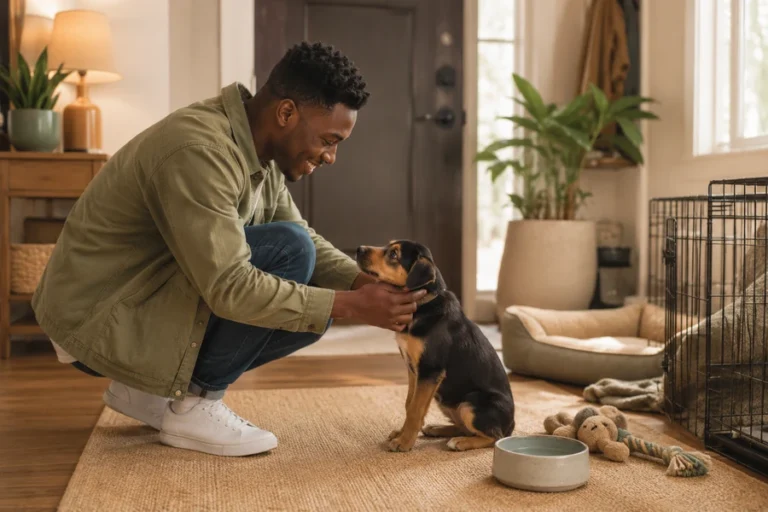
Care plans should exist before the first day. Decide who handles feeding, walks, litter, cleaning, or enrichment. Research local veterinarians early. Estimate monthly costs honestly. Identify emergency options. Consider grooming requirements. Prepare safe spaces away from noise. Learn common warning signs for stress. Build routines gradually. When preparation comes first, the transition feels less chaotic. The pet can settle into a home that already understands its basic needs.
Even excellent matches need adjustment time. New pets may hide, test boundaries, or act differently than expected. Best pet for lifestyle thinking continues after adoption because routines evolve. Owners should watch behavior and refine care without panic. Small improvements can make a major difference. Better enrichment may reduce restlessness. A calmer feeding area may reduce stress. More predictable handling may build trust. The best outcome is not perfection. It is a relationship that grows easier, kinder, and more rewarding.


Leave a comment