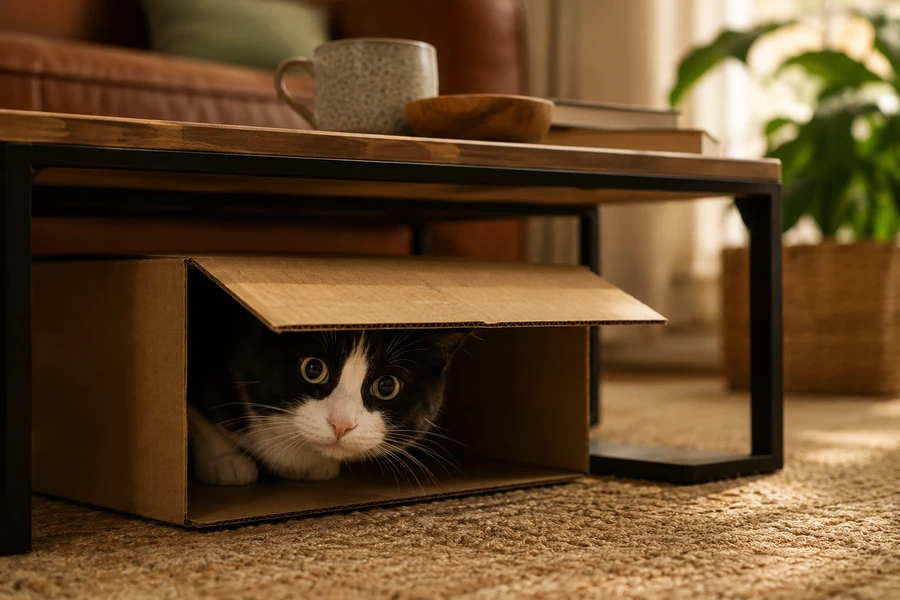
Anxious cat behavior can be subtle, confusing, and easy to misread. Some cats hide under beds. Others groom too much, refuse food, or lash out suddenly. A few become clingier than usual. Owners may feel rejected or frustrated. Yet anxiety is communication, not attitude. Cats respond strongly to territory, scent, routine, and perceived safety. A cat behavior calming plan helps translate those signals. The first step is watching without judgment. Patterns usually appear when owners slow down. Understanding creates better care.
Punishment rarely teaches a frightened cat anything useful. It may increase fear and damage trust. Anxious cat behavior often comes from insecurity, pain, or change. Yelling can turn stress into defensiveness. Spraying water may stop a moment while worsening the cause. Cats need safety before learning. Calm redirection works better than correction. Owners should identify triggers instead of blaming personality. A gentler response protects the relationship. Stress lowers when the cat feels understood.
Small signs often arrive before dramatic behavior. A cat may stop using favorite rooms. It may sleep in unusual places. Grooming may increase around the belly or legs. Appetite may shift slightly. Pupils may stay wide during ordinary activity. Tail movement may become sharper. Anxious cat behavior can look like stubbornness to untrained eyes. A feline behavior support resource helps owners connect those clues. Early recognition prevents escalation.
Social stress can reshape a cat’s entire routine. New pets may feel like territorial threats. Guests may bring noise and unpredictable movement. Children may touch too quickly. Even familiar people can cause stress after schedule changes. Anxious cat behavior around others should guide boundaries. Give the cat escape routes. Separate resources in multi-pet homes. Use slow introductions. A multi-cat stress solution can reduce household tension. Safety improves when no animal feels trapped.
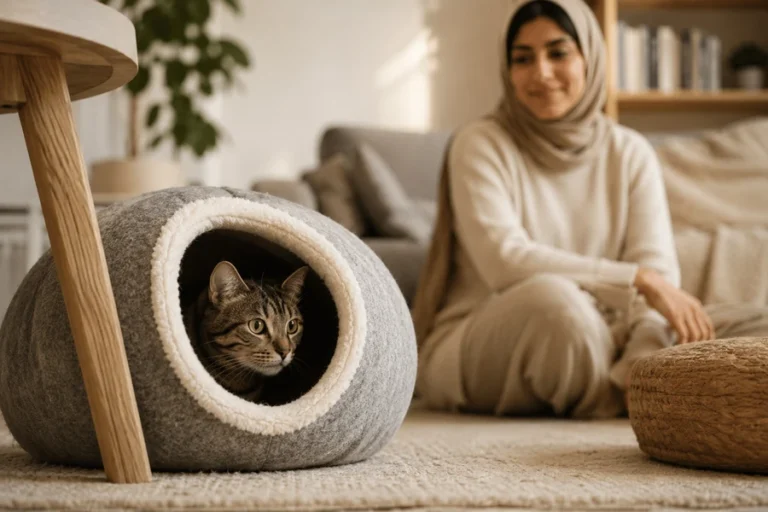
Territory matters deeply to cats. Scent marks tell them where they belong. Scratching posts support both claws and confidence. Vertical spaces reduce conflict. Private resting areas protect sleep. Resource placement affects emotional balance. Crowded food or litter zones can create tension. Anxious cat behavior may improve when territory becomes clearer. Owners should view the home from the cat’s height. A safe map creates calmer movement.
Sudden anxiety should prompt health questions. Pain can make handling feel threatening. Urinary problems may cause litter avoidance. Dental disease can reduce appetite. Arthritis can change jumping habits. Thyroid issues can affect energy and mood. Anxious cat behavior should not be dismissed as drama. Veterinary checks are wise when behavior shifts quickly. Notes help professionals spot patterns. Medical answers can bring relief faster than environmental changes alone.
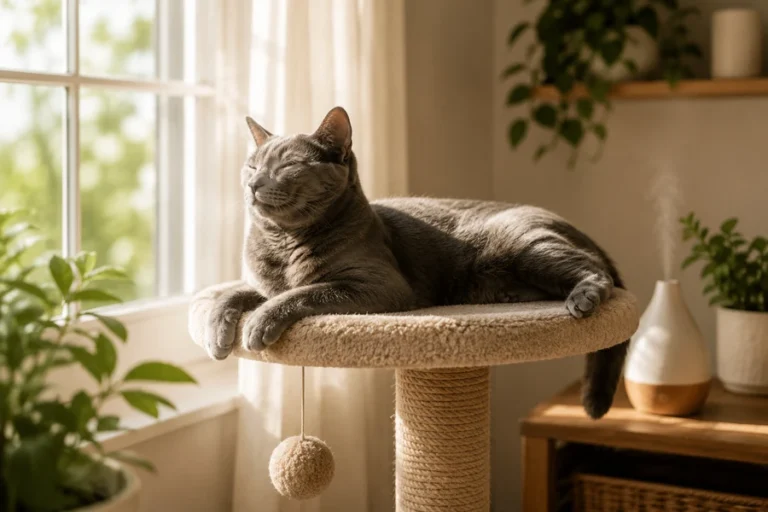
Confidence returns through predictable experiences. Keep routines steady. Offer play without pressure. Reward voluntary approach. Avoid forcing contact. Protect hiding spaces. Use calm voices and slow movements. Watch for small improvements. Anxious cat behavior often softens when the cat regains control. Progress may look quiet at first. A relaxed nap in the open can be a meaningful victory.


Leave a comment